Simplify Your Days with Smart, Gentle Routines
Today we explore Everyday Automation for Home and Life, turning small repetitive moments into effortless, comforting routines. You’ll find practical setups, friendly stories, and mindful safeguards that save minutes, reduce stress, and amplify joy. Subscribe, comment, and share your wins so we can keep learning together, respectfully balancing convenience, privacy, and genuine human presence.

From Morning Lights to Nighttime Calm

Picture a day shaped by quiet, helpful cues: lights rise like sunrise, coffee hums without fuss, reminders appear exactly when needed, and evenings fade into soothing tones. Everyday automation is about rhythm and relief, not gadgets for their own sake, guiding your household toward steadier energy, calmer focus, and kinder transitions between moments.

Choose One Chore to Retire

Identify what annoys you daily: forgetting lights, overwatering plants, rushing garbage nights, or missing laundry cycles. Pick one, not five. Define success in human terms—less stress, fewer arguments, smoother momentum—then let technology quietly assist. By solving one repeatable snag well, you build momentum and motivation for future improvements without burnout.

Map Triggers, Conditions, and Actions

Great routines start with clear triggers like time, motion, sunrise offsets, or a button. Add conditions to avoid unwanted runs—only weekdays, only if someone’s home, only after sunset. Define actions that are reversible, logged, and transparent to others. This clarity turns clever ideas into reliable, respectful helpers that behave predictably.

Test, Observe, and Iterate Kindly

Run your routine for several days and collect observations: Did timing feel right? Did anyone feel surprised or overridden? Adjust delays, brightness, or messages. Create a temporary disable switch for experiments. Iteration turns rough edges into comfort and builds household trust, the most precious ingredient for sustainable, everyday automation success.

Voice that Respects Context

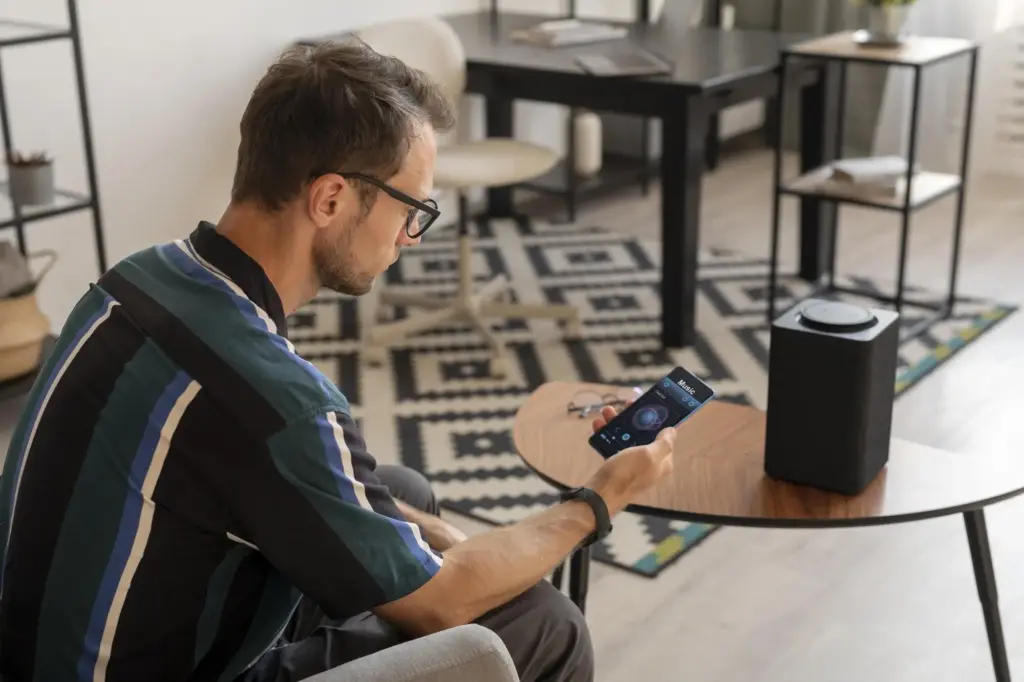
Train assistants with natural names for scenes—“cozy evening,” “focus time,” “gentle wake.” Use room-aware microphones to reduce confusion. Silence voice triggers during calls and bedtime to preserve peace. Provide a subtle confirmation chime, not chatter. By honoring context, voice becomes an intuitive companion instead of an unpredictable roommate.

Dash Buttons and Friendly Widgets

Place low-profile buttons where actions happen: a hallway switch for night path lights, a kitchen button for timers, a bedside double-tap for reading mode. Mirror these with phone or watch widgets for on-the-go access. Short, reliable presses reduce friction and keep control visible, accessible, and satisfying for every family member.

Family-Friendly Control Surfaces

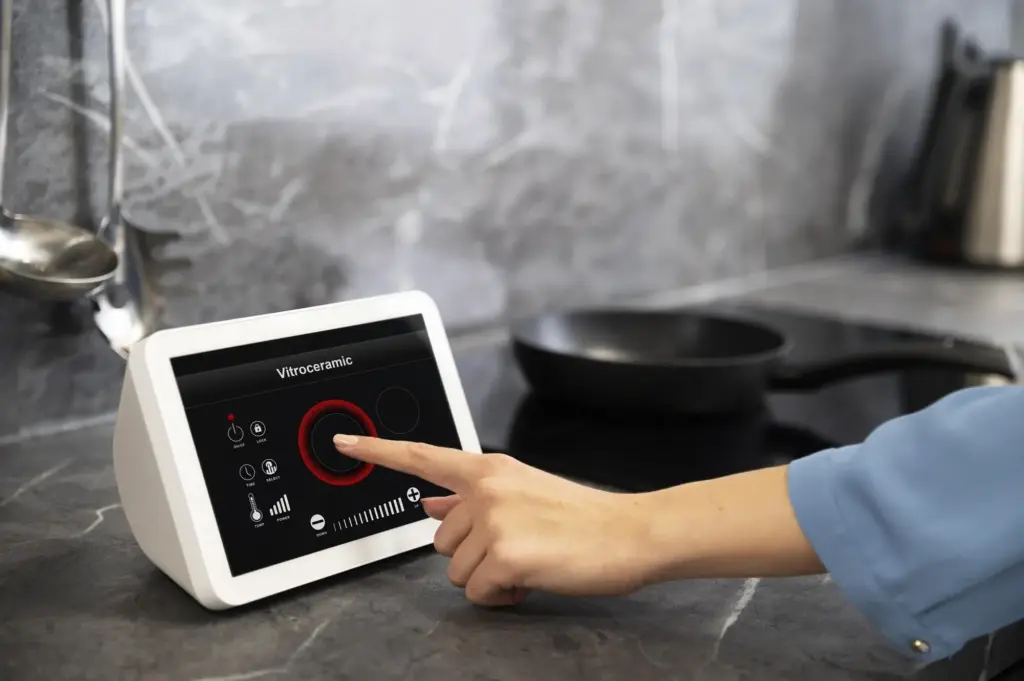
Design for everyone, not just the tech enthusiast. Use clear labels, consistent colors, and predictable scenes. Provide a printed quick guide on the fridge. Keep critical actions one tap away, and hide advanced menus. When controls feel safe and understandable, people use them confidently, and your everyday automations truly serve the household.

Privacy, Security, and Trust by Design

Everyday automation touches lights, locks, cameras, and routines people care about. Trust grows when you collect less, encrypt more, and explain choices clearly. Prefer local processing, strong authentication, and transparent logs. Share settings openly at home. Protecting data and consent isn’t a chore—it is the quiet backbone of lasting comfort.

Energy Savings You Can Feel, Not Just Read
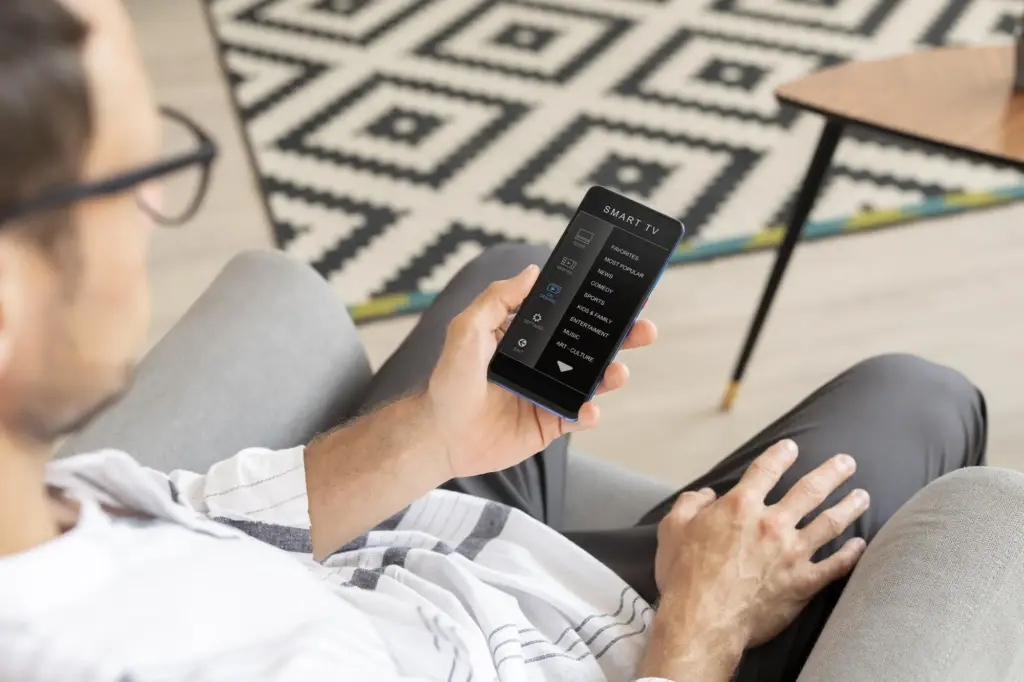
Heating and Cooling with Intent
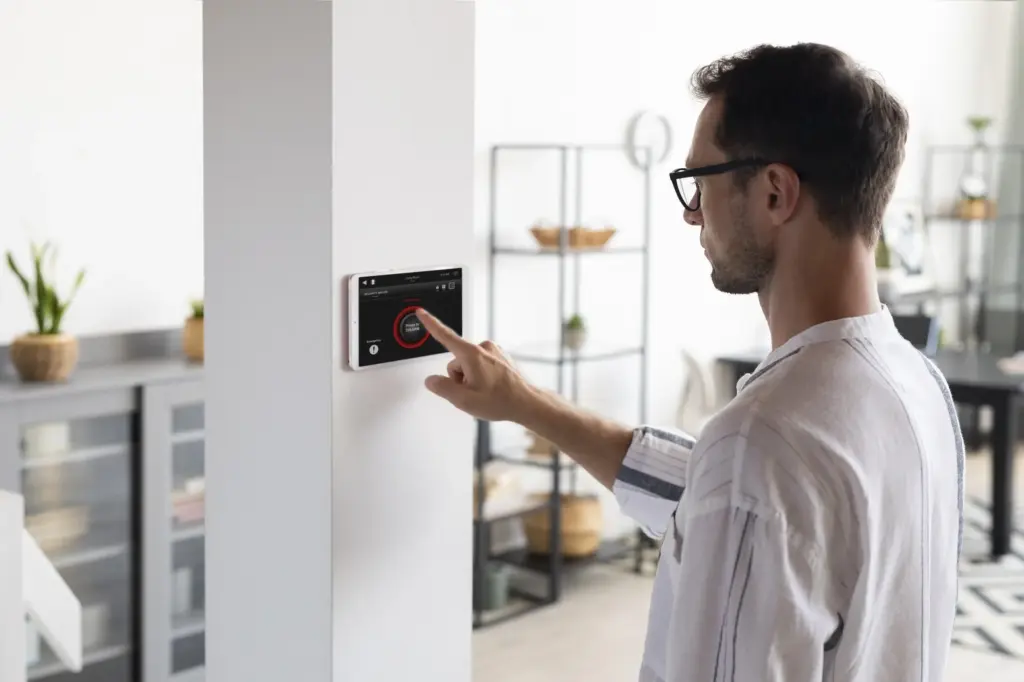
Combine room sensors, schedules, and window-state awareness to heat or cool where people actually are. Precondition before arrival, then glide to eco modes. Gentle temperature ramps prevent spikes. Explain changes with short messages so comfort feels planned, not imposed, reinforcing trust while delivering tangible, everyday energy savings.

Lights that Behave Intelligently

Use motion and ambient light sensors to avoid blasting brightness in sunny rooms or darkening active spaces. Layer scenes—task, relax, night-path—to fit activities. Fade between states instead of snapping. Schedule exterior lights by astronomical timing. Thoughtful lighting reduces eye strain, supports circadian rhythms, and trims waste effortlessly.

Appliances that Learn Your Rhythm

Run dishwashers and laundry during off-peak windows, nudged by a discreet tone when doors are opened nearby. Smart plugs can track baselines and flag unusual draws, hinting at maintenance needs. By aligning chores with real usage patterns, you save energy without sacrificing momentum or the satisfaction of a freshly reset space.

Accessibility and Inclusion that Empower

Combine voice routines, auto-opening lights, and door sensors to simplify movement with mobility challenges. Announce visitors through room speakers, not just phones. Offer slow-fade lighting to prevent disorientation. Hands-free controls restore agency, letting people start coffee, adjust climate, and call for help without navigating tiny screens or complex menus.
Predictability matters. Use consistent cues for transitions—gentle tones before changes, color-shifts instead of alarms, and visual timers on displays. Provide quiet, sensory-friendly scenes on demand. Reduce unpredictable automations that startle. These small considerations transform a house into a reliable ally that supports focus, calm, and self-regulation every single day.
Discreet notifications can confirm medication cabinets opened on time or bathroom lights used overnight, without streaming intimate footage. Provide opt-in check-ins for loved ones who want assurance, not surveillance. Automations that prioritize respect preserve dignity, strengthen relationships, and make supportive living arrangements more sustainable, humane, and resilient for everyone involved.

Name, Log, and Observe

Use readable names like hallway_motion_night to understand events at a glance. Keep short logs of triggers, conditions, and actions. Add temporary notifications when testing. Observation reveals edge cases—pets, guests, or unusual light—that explain misfires. Curiosity turns confusion into clarity and stabilizes the systems you rely on daily.

Fail Safely and Notify Gracefully

Design fallbacks for critical automations: if sensors fail, turn on lights at low brightness; if presence is unknown, keep doors locked. Send brief, respectful alerts with actionable tips, not panic. A calm safety net preserves comfort while you fix root causes at a humane, sustainable pace.

Community Wisdom and Timely Updates

Leverage communities around Home Assistant, Matter, and device brands. Search forums before reinventing solutions, and schedule maintenance windows for firmware upgrades. Keep a simple changelog to remember what changed. Shared knowledge and steady updates prevent repeat headaches and keep your household’s everyday automations dependable through evolving technology.

Expanding with Platforms and Integrations

As your confidence grows, connect devices through stable standards and a thoughtful hub. Favor local control, clear backups, and portable configurations. Document choices so future you—and your household—understand the system. Integrations should simplify, not sprawl, supporting everyday life with less clicking and more living, season after season.

Choosing the Right Glue Layer

Evaluate platforms by reliability, local-first capability, community support, and exportability. Home Assistant, Apple Home, Google Home, and SmartThings each offer strengths. Start where your devices fit today, not theoretically perfect tomorrow. Good glue makes disparate gadgets feel like one calm, helpful presence moving in rhythm with your routines.

Design for Portability and Change

Avoid hard-coding brand-specific features when possible. Use abstract scenes and groups that can be remapped later. Keep credentials in a password manager, and back up configurations regularly. Portability protects your investments, letting everyday automations evolve gracefully as devices, standards, and household needs shift over time.

Document, Share, and Invite Feedback

Write a friendly home guide explaining scenes, buttons, and emergency overrides. Share a printable map of room sensors and a short FAQ. Invite housemates to request changes and propose ideas. Clear documentation reduces mystery, raises confidence, and turns everyday automation into a shared, creative project everyone can enjoy.
Mexozavolorodavokaro
Privacy Overview

This website uses cookies so that we can provide you with the best user experience possible. Cookie information is stored in your browser and performs functions such as recognising you when you return to our website and helping our team to understand which sections of the website you find most interesting and useful.